BRP Customer Stories
 BRP Systems AB
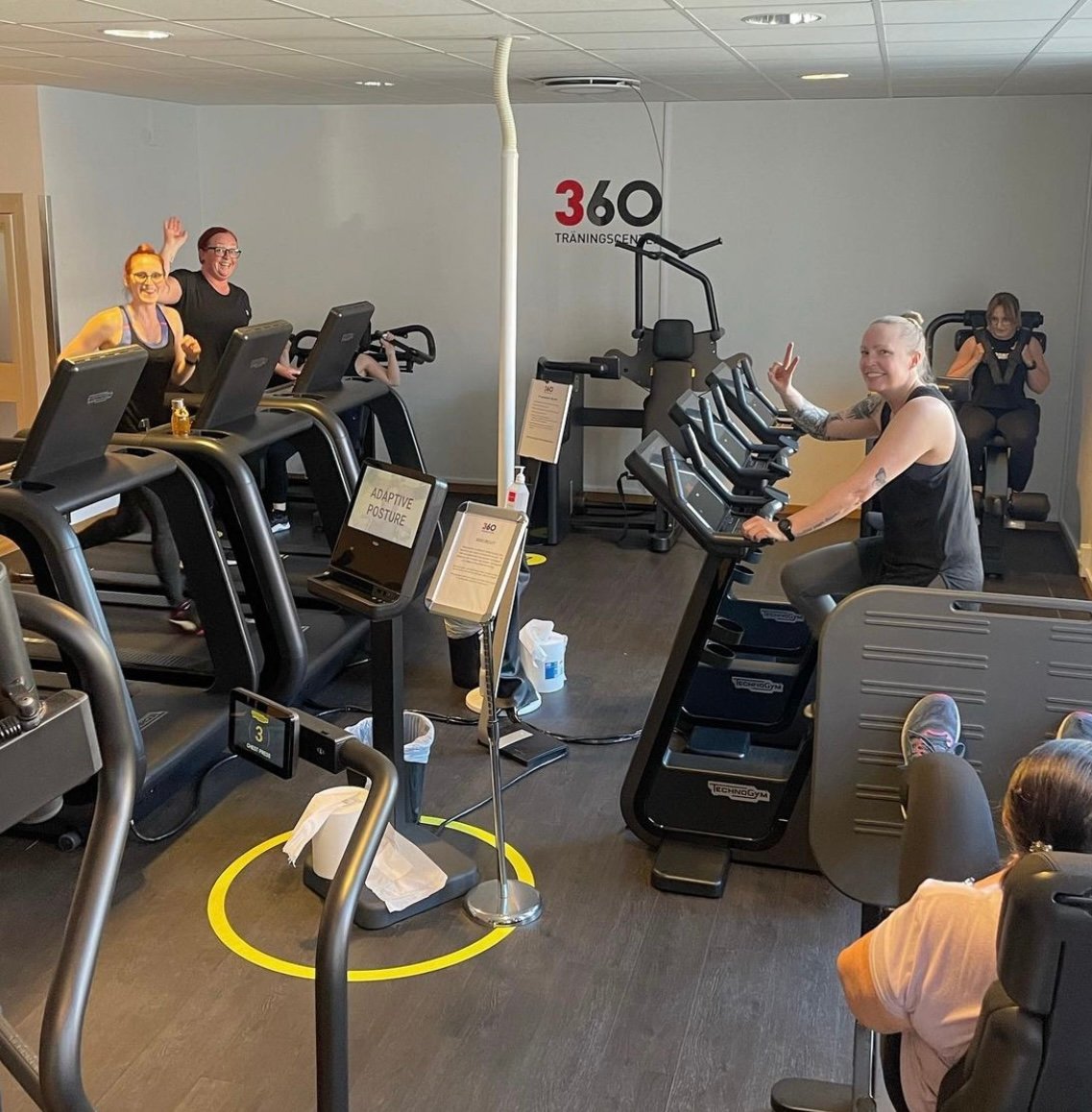
- Country: Sweden
- Locations: 4 (1 staffed, 3 unstaffed)
- Members: Diverse base ranging from age 10–95, average age 42
- BRP Customer Since: 2011 (13 years)
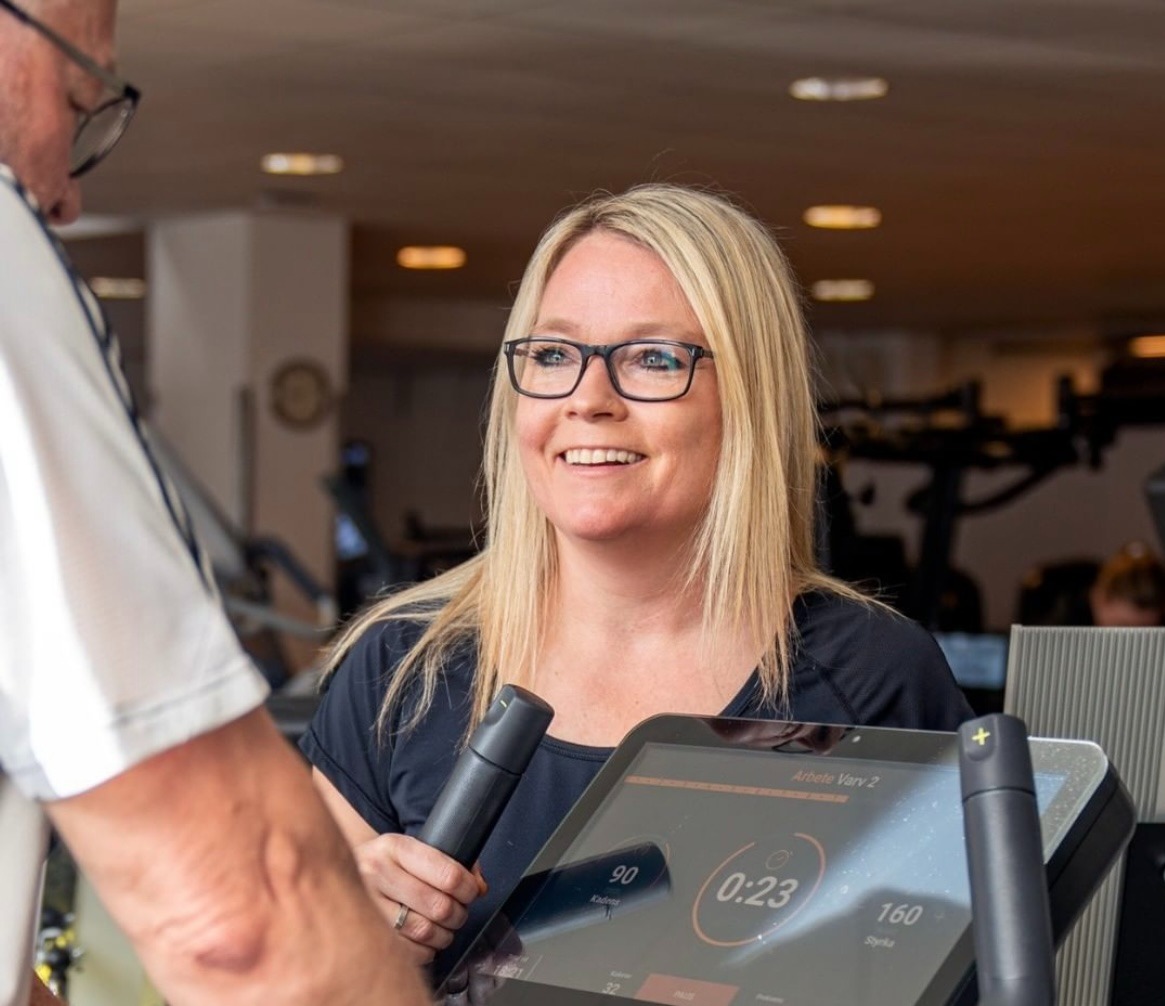
A 13-year success story from Northern Sweden
When Annie launched 360 Träningscenter in 2009, she had ambition but faced a familiar problem: how do you scale a fitness business while keeping operations lean and members happy?
Over the past 15 years, she found the answer-and it fundamentally changed what's possible for growing gyms.
From One City Club to Four Locations
360 started small: one staffed location in a Swedish city. The vision was simple but powerful, embodied in the company motto: "Lite bättre hela tiden"-a little better all the time.
That philosophy guided every expansion decision. By 2016, 360 had opened three additional locations. But here's what made the growth unconventional: only the flagship "city club" remained staffed. The other three locations operate entirely unstaffed-24/7 access, zero front desk, minimal overhead.
For most gym owners, that model sounds like operational chaos. For 360, it became their competitive advantage.
The software has been essential for scaling," Annie explains. "Without a reliable system to manage access control and member experience at unstaffed locations, this business model wouldn't work.
The Hidden Revenue Stream: Online Sales
Ask most gym owners where their revenue comes from, and they'll tell you: front desk sales and walk-ins.
360 flipped that script.
Online memberships-purchased via their web or mobile app-now account for nearly 40% of total revenue. That's not a side channel. That's the business.
This shift required technology that could handle:
- Frictionless online purchasing
- Instant membership activation
- Secure mobile access control (no key cards, no lost revenue to member lockouts)
- Seamless communication with members who never visit the front desk
- Reliable tracking and engagement across all four locations
The sales management module was a game-changer for us," Annie says. "We can execute campaigns, track members, and maintain communication across all our clubs from one place. That's been critical to our growth.
Operational Efficiency: What Your Staff Actually Needs
With only 38 total staff members (four full-time admins, three full-time cleaners, and 30 part-time fitness instructors), 360 runs lean by necessity.
-1.jpeg?width=420&height=372&name=unnamed%20(1)-1.jpeg)
The Staff Center module became quietly indispensable. Instructors can now check their upcoming schedules, see how many members are enrolled in their classes, and receive substitution requests directly from their phones.
Translation: The front desk isn't fielding constant "What time is my class?" texts. Paperwork doesn't pile up. Instructors feel informed and empowered.
It reduces the workload for the front desk significantly," Annie notes. "When your staff has what they need at their fingertips, everything runs smoother.
Engagement in an Unstaffed World
Unstaffed gyms solve the profitability and accessibility problem-but they create a new one: how do you build community and engagement without humans at the front desk?
360 tackled this head-on.
Two years ago, they implemented a gamified loyalty program that lets members earn points, unlock levels, and redeem rewards (merchandise, guest passes, perks). It's engagement without requiring staff overhead. Members who might otherwise feel disconnected at an unstaffed location now have a reason to come back and interact with the brand regularly.
To gather feedback and keep communication flowing, they've also integrated QR codes across all locations so members can quickly report issues, submit feedback, or reach out when needed.
The loyalty program has been key to engagement," Annie explains. "It keeps members invested in the brand, especially at locations where there's no front desk. We're building community even without being staffed.
The Fear Factor (and Why It Doesn't Matter)
When Annie first considered switching to BRP's platform, she had concerns-particularly around converting existing direct debit members to a new system.
"I felt fear," she admits. "But the process was successful. The team handled it seamlessly."
That experience taught her something important: implementation anxiety is normal, but it's not a reason to delay improvement.
My advice to others considering a system switch is simple: trust that BRP is in control. The process is worth it.
Staying Ahead of the Curve
The Swedish fitness industry has a reputation for technological sophistication. Unstaffed 24/7 gyms, app-based access, digital engagement - these innovations spread faster in Nordic markets than elsewhere in Europe.
Annie sees BRP's role as critical to staying competitive in that landscape.
I consider BRP a stable, seamless system that stays ahead of technological advancements," she says. "That matters. I have confidence that our business won't be left behind. The platform evolves with the industry.
That stability is something 13 years of partnership demonstrates. Through industry changes, technology shifts, and competitive pressures, BRP remained a reliable foundation for 360's growth-not a constraint on it.
What Multi-Location Growth Actually Requires
For anyone considering a second, third, or fourth location, 360's story offers a clear lesson: technology isn't optional for scaling. It's the infrastructure.
Without the right platform, unstaffed operations are risky. Online revenue can't be tracked reliably. Staff efficiency suffers. Member engagement feels impersonal.
With it? You can run four gyms in one place, generate 40% of revenue through digital channels, maintain consistent member experience across all locations, and still find time to ask "how can we be a little better?"
That's not just growth. That's sustainable scaling.